Showing posts with label Travel. Show all posts

Saturday, January 18, 2014

Poland: The Treasures


It's completely true that Warsaw doesn't offer travelers much that can't be found in more generally appealing European cities, and there really is a big difference in cultures that many optimistic Polish youth tend to ignore, these are all facts that I thought were worth mentioning from the point of view of someone native to a very different world and has travelled a bit.  Now, when I say much, I mean that Warsaw has a few things that western Europe definitely does not have, besides the historical presence in the city. I think it's really okay to have foreigner rage once in a while, but honestly, there are a lot of reasons why I think Warsaw is a really fucking cool city.

1. Bars and Cafes can be really fuckin' weird.

Warsaw is a city that is packed with bars, nightclubs and restaurants of all types and themes that are normally nestled in alleyways and courtyards. The further east you travel in the city, the weirder it gets. W Oparach Absurdu (in the fumes of the absurd) is a noteworthy one, decorated like a 1970's polish grandmother's dream.

Photo Via Yelp


Many of the bars and cafes you can find it warsaw have embraced the unique stalinesque buildings or even some pre-war architecture and use it to enhance the atmosphere of their establishment. Many times basement bunkers have been turned into nightclubs, along with places like Club 70 where a brick detachment to an old church which now stands in ruins has been turned into a 1970's discotek.
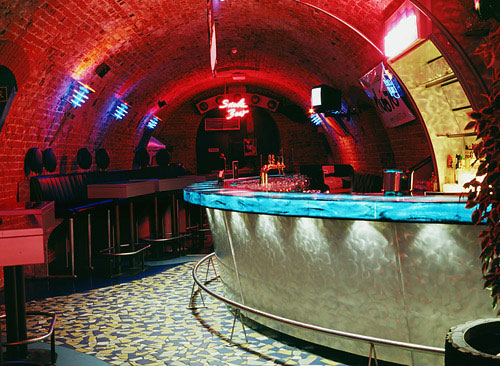

image club70.pl


But the best part of Warsaw and the thing that I will miss the most when I leave, is Pawilony. I have to write a blog post just about this wonderful place.
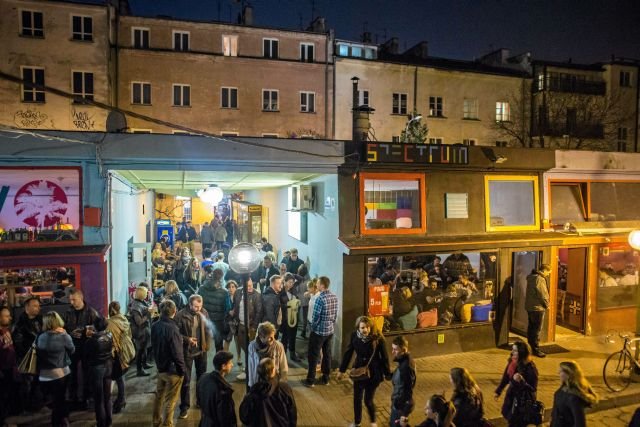
The Secret Garden. A maze of hole-in-the-wall clubs with cheap drinks, couches, basements, and crude wall art. All with their unique themes, including 1 with a communist pub decor where you can order a traditional vodka and cucumber shot with pickled herring (wow) and 1 with dildos in place of bar taps. Pawilony is magical. It's also the only place in the city where you can open carry liquor, from bar to bar freely, since all the bars are in such proximity the police turn a blind eye.

natemat.pl


But you can't go to the club until you've met up with your friends at a local cafe/bar, where you can grab a snack and a few beers. Beers between 7-10 pln, then when 11:00 or 12:00 rolls around, you make your way to the club. On the way, duck into any alley along the street on which you are travelling, shot bars big enough to fit a dinner-table sized bar and 5 standing people will offer shots of vodka for 1 zloty each. that's 25 euro cents.

Once you're done with your shots, head to the club, pay the entrance fee if there is one, and if you think it's too high, see if you can talk the doorman down because you and your friends promise to buy a ton of drinks inside. Enjoy partying until 6am.  On average I spend about 70 pln every time I go out, never more than 100. THAT'S 25 EUROS OKAY? It's not surprise that Warsaw, Krakow, Budapest and Prague are some of the top party destinations for Europeans.

2. Restaurants
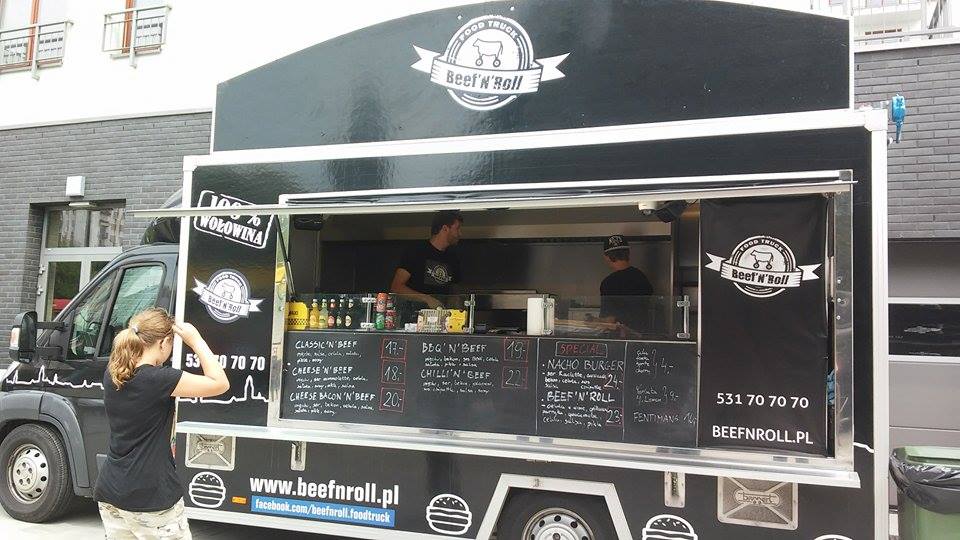
So bars and clubs aren't your thing but everyone has to eat right? What do you want? Japanese, German, french, Italian, middle eastern, american? You can get all that here. Seemingly the reason is that especially for western business owners, it's rather inexpensive in Poland to open a business compared to other countries. I'd like to especially mention two American food places that are top notch, Beef n' Roll, which began as a food truck that exploded in success after parking in the CD Projekt Red parking lot during their lunch hours, and then soon opened a store front on the busiest street in Warsaw:
image streetfoodpolska.pl


 and The Pink Flamingo 1950's style diner/american car rental. 


image pinkflamingo.pl


Get a burger or eggs benedict and a milk shake, then rent a muscle car for the day. The first and only place in Warsaw where you can.

3. Transit
GOOD LORD THE TRANSIT SYSTEM. OH MY GOD.
I can't contain myself. First of all, driving in Europe for me as a North American is fucking terrifying. Now picture driving in a congested city where most drivers are only focused on where they need to go with zero patience in the slightest,  (it's fucking shocking how many idiots get bulldozed by trams because they try to race over the tracks into traffic before it comes around) with a driving style that makes me wonder if they use mario kart on Polish driving tests. (Which, is one of the hardest and most complicated driving tests in europe, and now I know why, because I don't see crashes between cars very often, just dummies on train tracks.)

The Polish transit system in theory is outstanding. Busses, tram system, and metro line, all cooperate in a way where you're rarely stranded and can always find some way home. Though it;s nowhere near as extensive as some other metro cities, it's detailed in the places where people need to go, instead of the entire city. IT is also fairly simple, with just 2 zones and 2 types of paper tickets to buy. Warsaw also uses a clever smartphone app that's free to anyone with an android phone and can be used to calculate the quickest, most direct, or most convenient route to one's disabilities/special needs (bikes, strollers, etc) from your location. There is also an extensive night bus system, if you're leaving in the middle of the night you won't have to wait longer than a half an hour for a bus home. The ticket inspector policies however are insane, so if there's a broken machine on your bus/tram and you think, oh well, that's not my fault, you're wrong. It is. Get off the vehicle and find a ticket somehow, unless you want a fine.

4. The cost of living and abundance of fully furnished apartments
It's low. The cost of living is super low. Food is cheap, bus pass is cheap, rent is cheap. Comparatively, your wage is less if you work here, but it's still wonderfully cheap. Need a new washer/dryer?  100 euros or less. Need to take your pets to the vet for a checkup? 15 euros. Need to go to the doctor but don't have insurance? Get ready for this:

You can go to one of the private medical centers, enel med, medicover, luxmed etc, and BUY A PUNCH PASS FOR DOCTOR'S VISITS.

600 zloty, (150ish euros) 5 visits to the doctor. any doctor. ANY DOCTOR. WAT. In a place where your basic coverage allows you to see perpetually irritated robots posing as doctors who have a blase attitude towards using anesthetic for stitches, paying a bit for a punch pass that allows you to see a multitude of doctors in the same building is a pretty cool idea. 
Going to the hospital is a whole separate monster that should be avoided, same with the dentist, but if you need a doctor for anything that doesn't require a hospital visit, you simply go to any of these institutes' website, search for a doctor to suit your needs, including ones who speak english/german/russian, and you can make your appointments online. Then they will text you with a reminder of your appointment the day before, in english and polish.  This is a great example of a super advanced part of society next to a rather old fashioned one, hospitals and dentists are hit and miss in terms of cooperation and comfortable atmosphere (for example, sedation dentists or dentists for stress patients do not exist) but general care centers are pretty great. Though if you need anything specialist or specific, spring for a private doctor.

Apartments! Apartment hunting is a giant pain in the ass because they get rented SO FAST, I've been called on my way to a viewing to say it's cancelled because someone has taken it, 3 different times. ugh! But the quality of apartments for price is just wonderful. Almost all apartments are owned privately and rented out by the landlord, sometimes they will hire agencies to rent it for them in which case you pay a commission to the renter. Not a problem. The agency handles your paperwork, shows you the place, provides the lease, and are professional and friendly despite often having offices in buildings that look like soviet prisons, but whatever. Rent for a one bedroom (two room) apartment is around 550 euros plus internet/electricity, so about 575 euros or 600. comission for the agency is normally half rent, and damage deposit is normally one months rent. The best part? Apartments are normally 100% furnished! appliances, washers, couches/beds whatever, and if they don't have everything you need the landlord will often offer to purchase one if you need it, to use for the time you are there. Also, there are very few places that do not allow pets, and there is no "pet" damage deposit either. Despite hunting for an apartment being annoying, getting an apartment was a very pleasant experience.

5. "i know a guy for that."
I love how you can always "find a guy" for things you need instead of going through official businesses/agencies, like if you need movers for relocating, a plumber, need to install a shelf/build furniture, or a ride. There just always seems to be a "guy" for things. When you go to ikea, there are these dudes that just hang outside of the loading bay that you can approach to transport your goods. Sure it sounds dodgey, but lots of things in Poland seem dodgey, but they aren't! These are just genuine people that don't want to rip you off, just want to make some extra money. I've used a "guy" for car service, because a taxi was too expensive to drive outside of the city. We saved almost 100pln because a friend of mine called "a guy" to drive us to our destination, he was incredibly nice and no one was murdered. This is something that is part of the culture in Poland, people knowing other people who can do jobs for each other, for a cheaper price than what you'd normally pay. The difference between here and wherever you are from that makes you super suspicious and hesitant of this practice, is that they won't rip you off. Now, that being said, when you need a "guy" to help you out, ask a friend, or post in a forum for a recommendation. If you google for "guys", you get the sketchy dudes who want to run away with the contents of your apartment in their truck. "Guys" are always recommended by someone you know, or recommended on an expat service like movers for example, and it's there that they recommend talking to the guys hanging outside of Ikea as a great idea.

I think Warsaw is so great. I love all the hole-in-the-wall bars and secret treasures this city seems to hold, it's just got so much character and so much life that I can't find good enough excuses to refuse exploring the nightlife every weekend. If Warsaw's atmosphere and excitement was the same everywhere in the city as it is at night in the centre, I think a lot more people would be interested in seeing the city. It's where the highest concentration of interesting venues, cheap fun and high-energy fun-loving people reside.


Sunday, January 12, 2014

2 Years in Poland

I think it's about time I write about my current overview of Warsaw having lived here for almost 2 years, since now I have a better grip on what it's like. As a North American, I never thought about what it would be like living in Poland, it's not really a country one puts on their backpacking bucket list, so I didn't have much of an opinion. All I knew is that Warsaw was a big city and there was a huge career opportunity here for the both of us, so it was a no-brainer. I  mean, I was already a weird awkward foreigner, might as well just continue on in another country. Also, I find that when you go to a new place for a little while you get quick highlights of what it's like, but if you live, work, grocery shop, pump gas and pay taxes in a place, it's quite a bit different. I don't want to sugar coat anything, just express what it's really like living here from a North American perspective.

1. Half west, half east


Europeans who have never been to Poland will tell you it's a shitty eastern European country like most eastern European countries, except for the Czech Republic because that's where Prague is and Prague is Prague (Except try not to refer to Poland as "eastern europe" to a Polish person, because it's emerging economically and it technically isn't anymore, despite it's cultural image to other europeans, and they will bite your head right off. )It's cheap, it's interesting, the architecture is cool, it's full of university students. They will ask you why, why in god's name you want to go to Poland, and tell you to skip it on your way to Budapest or Prague. North Americans who haven't been to Poland will say, "Poland? Do you mean Chicago?"

Europeans who have been to Poland will tell you to skip Warsaw and visit the seaside or Krakow, both relatively untouched by the war compared to Warsaw (that's a bit of an understatement though) and therefore much more developed both socially and physically, they also have an overall less melancholy atmosphere than Warsaw. 


The thing about Poland is it is divided down the middle between western Europe and eastern Europe in terms of social and physical growth. The appearance of the city is what you would expect from a growing independent nation both socially and economically, you've got gorgeous structures and architecture alongside quickly, cheaply, and uniformly built communist-era apartment blocks, alongside brick and concrete ruins that have either been restored enough to house low-income families, or not restored at all. 


Old apartment block in north Praga

New and old apartment buildings, Praga

Arkadia shopping center


Along with the physical divide, you've also got a social divide. Poland is dominated by it's senior generation, people directly affected by WW2. The older generation that you find in Warsaw were born in Warsaw, and have likely never left in their lives. You experience an equal amount of welcoming polish babcia hospitality and straight up xenophobia. This is one of the reasons why it's difficult to give a summary of what Warsaw is like, it's just such a solid divide, in the same day you can be looked at like a reverse mermaid on land (that would be human on the bottom and fish on the top) for telling someone you don't speak Polish when they try to speak to you, and met with, "what? why?" an answer to which you surely did not prepare in your well rehearsed repertoire of phrases loaded and ready as a foreigner. Then in the same day, you walk into a coffee shop and suddenly you're in every other busy bustling progressive awesome european capital where the baristas strike up a conversation about how much they love (whatever country you are from).

 Older generations in general tend to disapprove of change, but Poland's elders are leaders among thousands of Poles that are extremely attached to their history. As you walk around in Warsaw, you, rightfully so, see the history every where you go. Memorials, museums, and markers reminding you what happened exactly where you are standing. There are nearly monthly national holidays dedicated to the war, and most importantly, the Warsaw Uprising.


It's interesting, when asking my coworkers why the people of Warsaw seem to put so much energy and pride into remembering such a dark time in their history, they often respond with a slight annoyance to the subject. It appears that the younger generation, (as in, under 40) wish that Poland could move on, because this attachment to the past is holding back the country's social growth and preventing them from becoming as independent and strong as other western European countries. They say that Polish people are "proud" of their failures even, considering the Warsaw Uprising. They failed, but they see it as standing up for their freedom, even though they did not succeed.


Buildings dressed for Polish independence day


Polish extremists burning down a gay rights symbol in warsaw during Polish independence day

Some of millions of candles set out around the city dietaries and memorials for All Saints Day


You've got a younger generation of well educated people that are doing great things for the country, and an older generation morally disapproving of the potential, and reluctant to accept change. In the last ten years alone Warsaw has developed exponentially, hell even in the last year, and this is easiest to see in the city centers. In Warsaw you live the history every day, therefore you must dedicate a good portion of your mental state to remembering it and feeling feelings about it, anger/sadness/bitterness/pride in the country/distaste for the country, sometimes all of those at once! But remember, you can't hate on Poland, only Poles can, they've earned the right with years of shit being thrown at their faces by the rest of europe.


 A lot of Polish people who live in Warsaw tend to not like the city, or even the country. My doctor even told me to not have children in here. After telling her my husband was German, she said "have kids in germany, not in Poland." Even some Polish people I have met in my social circle ask why I would ever move here, and that i shouldn't stay for long because there are lots of other, better cities in Europe. So what am I supposed to do, Poland? Do I feel guilty for not assimilating fast enough or do I feel guilty for bringing myself here and subjecting myself to this horrible place, or amazing place that you should all be proud of, or...or...what am I supposed to feel? Where does my guilt go?!

2. Language and social dynamic

Coming from such a culturally accepting and supremely overly-friendly country made me realize i never thought about what it was like living in a place where things like being gay, having an abortion, or going back to work after having a child were looked down upon. I've been told Warsaw is the most gay-friendly city in Poland, but in my eyes, it is not gay-friendly. My social circle is, and much of the younger generation is, but in general, being gay is weird and immoral. Meeting with expat groups or couchsurfing events, suggesting to go to a favorite gay night club and being met with shocked whisperes of, "but, isn't that gay?" is something I've never encountered before. Which gives me the opportunity to explain just how awesome the LGBT scene is in Warsaw. Small and rather underground outside of the pride festival, (which shows how much better it's gotten) but lively and welcoming. With such a dedicated religious population it doesn't surprise me, but it is really odd to me. It's hard to explain, because when you surround yourself with a younger working generation in an industry like games, you don't encounter much cultural differences because everyone around you is used to being different,  and used to being in a culturally diverse environment. But as soon as you leave the office, you are in a different world. 

The farther you go out of the city center the more intense this kind of thing gets. In general I would say I encounter 80% normal people and 20% weirdos who've never seen a foreigner in the wild before.

Young people who speak English or are learning English are happy to speak to you and be as polite as you would expect, and really pleasantly surprised when you try to speak Polish to them. Which makes me feel like a damn pro for simply saying hello. They tend to realize that Polish is a really difficult language for anyone who isn't Polish and are genuinely helpful. Encountering a Polish person who does not speak English is the exact opposite. "Ew, a foreigner, why would you live in a polish country and not speak Polish." I'm not even sure they really think this, but all I can tell is from the look on their face and their simple, flat, "...oh" as a response, then walking away. It happens a lot.

As opposed to Germany or other western European nations, you should always assume that where you go, the post office, grocery store or what have you, people will not speak a word of English. That's not to say every post office or grocery store is full of non-english-speakers, but instead of assuming you can always get by, you should always assume that you won't be able to get by with english, because it's a real possibility and there is no way to guarantee, unless you are on Nowy Swiat. (The main drag.)

Another thing to note is the general cultural differences in terms of being out in public. People do not really have a personal space bubble, and the expectation of "being polite" as it would be seen in Germany or Canada or the Netherlands, (the only ones I can truly speak for) doesn't really exist. This is the ONLY topic that I can generalize for, because everyone does it. Every single person. It's really a circus to witness, especially coming from a country where we have purell canisters at the front of grocery stores so we don't have to come in contact with peoples GERMS, not even just people. Their germs. The people could be miles away and you don't even want to come in contact with their germs.

People cut you off while walking, don't wait for anyone to walk through a small area (like an aisle or a doorway) and instead squeeze past you, fully rubbing their bodies against yours to get where they need to go, and will just basically be right next to you or in your way with no regard to anyone else around them. I basically get to second base with strangers on a daily basis, and a lot of them clearly don't invest in deodorant. You take an inch of a step forward in the grocery line to make some space? The person behind you will fill it, and you will feel their breath on your neck and probably their basket pressing into your lower back. It's taken me 2 years to shake off the feeling that I am about to be mugged or attacked if someone is that close to me.
I get a really strong sense of "every man for himself" here, which makes sense if you think about a population made up of mostly people who lived through communism and in super tight quarters. Just completely no idea of what other people might think, feel, or need, just what they think, feel, or need. 

People walking around in a public space have no sense of order. No one is walking on any particular side of the aisle, or with any sense of direction. When I need to get to one side of the mall corridor to the other it's like I am in real life Frogger, and I have to actually shoulder-check before moving positions in a public space. People stop directly in front of you, and don't move over when they obviously see another person stuck behind them. People seemingly give absolutely zero fucks about other people. In a way it's liberating, in another way it's infuriating. However, that isn't entirely true. They seemingly don't care, but they really do. If an eldery woman needs help getting on the tram, several people rush to help, same with strollers, or if someone is in distress in public, people will rush to their aid. I can't tell if Poles hate each other or love each other, maybe both, but it's nice in a way.


3. Food
 There are a lot of really great dishes, like Bigos and Pirogi,  if you like a lot of animal fats, cabbage, potatoes and wheat-based dishes then Poland is the culinary revelation you have always been seeking. The food groups of Poland are starch, meat, and cabbage. Seriously. Grilled meats with a side of cabbage. Eggs on toast with a side of sauerkraut. Boiled pirogi and beef stew with a side of cabbage. "I'll take a coffee," would you like some cabbage with that?!

Personally, i love the abundance of game meat here. Mostly rabbit, but you can also find venison and bird meat like quail and pheasant as well, depending on the season. Of course regular foods are available in the supermarket, and at local farmers markets (which is mostly just people selling things they grow in their gardens on the street) but in general, "Polish" food, is considered to be less than exciting. Though if you like sausage, it's probably heaven for you. There are hundreds of types of Kielbasa and various ways to prepare them. The really awesome thing about Polish food is that when you go to a traditional Polish restaurant, the ingredients they are using are probably local. When you go to a polish supermarket, the local foods are cheapest, and when I say local, I mean farms just a few hours outside of Warsaw. I love that about Poland. I love that you can buy honey made from local farmers on street corners and in front of metro stations from little old ladies in fur coats as well as fruit and vegetables, home made soaps, and even clothing. In Canada someone would be fined for doing that.

4. Drink
Polish people know their vodka. Go to a party and each guest will have brought at least one bottle of vodka with them. Like that little stash of pot that Vancouverites have that they never bought but seems to grow every time you have a party. There is a saying that you should never bring vodka to a gathering because there will already be hundreds available. Poland is famous for Nalewka, which is alcohol made from fruit like cherries, tastes like jam, and like most things in Poland, are best when someone's grandmother makes it in her basement and sells it on the street. 

There is so much to be said about Poland, but in general these are the biggest differences I've encountered. It's extremely difficult to generalize, there is no consensus, and it's hard to come to a conclusion about how your experience is here. It's just so different from city to city, and region to region, the only concrete thing I can say about it is that it's developing culturally, night life is great, and there is a lot to discover, most of what you see on the outside is different underneath. Oh and don't visit Warsaw in the winter, holy shit, especially if you have seasonal effective disorder.

You have people who love Poland and disapprove of other cultures in their country, people who like warsaw and are very open to other cultures, then you have people who hate Poland and tell people at any opportunity to not live here and that every other country is better, and you've got people who hate poland, but also pretty much hate everything else. It's hard to generalize Poland because of this, it's still forming it's own identity, and I can sympathize. You're alright, Poland. But learn to Queue. Please.


Thursday, August 8, 2013

Top 15 Tidbits About Germany

It’s been a while since I’ve made a post because there’s been a lot going on the last month or so, as I am preparing to move again, this time to another country. August 17th I’ll be making a 12 hour trip across Germany and into Poland, where hopefully we can settle for a few years in the city of Warsaw.

When Niko got the job he wanted in Warsaw, we were excited and nervous at the same time. First of all, Warsaw had never been an option in my mind to move, not that there is anything wrong with Poland, it’s just when you are growing up as a North American you basically see the major cities of western europe as “Europe” which include: London, Berlin, Paris, Barcelona, and Rome, but not Warsaw. So after we found out we’d be moving there it required a lot of research on our part, which I’d like to cover in a blog post once I actually live there and can compare the differences.

For now as a farewell to Germany I’d like to write about the things that stuck out the most to me, that are most different from Canada. Most of them are positive,  all vastly different from North American life, and they are all worth mentioning for anyone wanting to visit or live in Germany in the future.

1.       Taxes are included in all prices
a.       As a Canadian that is all too familiar with bringing an extra ten dollars to buy a case of beer, having all the prices included in every single price on anything was a huge plus. It is hands down my favorite thing about Europe.
2.       Refrigerators for hobbits
a.       Seriously refrigerators are tiny here. In fact, a lot of things are tiny here, which is refreshing and nice in some areas, and frustrating in others. Germans typically shop a few times a week, the reason for this is both the smaller storage space for perishable food and the fact that most of the food you would find in supermarkets is local and with minimal preservatives. The bread you buy from the bakeries will go bad in a few days, and unless you eat all your meals from a can you are bound to find mold on something that’s been in your fridge for longer than a week.  What I like about this is that it encourages a better perspective on what one actually needs in terms of groceries. How much you actually eat, how much you actually need to buy and so on. Living in Germany has given me a lot of practice in buying things that I need rather than buying things I want.
3.       Atmosphere of Leisure
a.       A few things fall under this category. The overall feeling of most European countries is leisure. Germans have an excellent work/leisure balance that makes them known for their love of vacationing. You ever notice that there are a lot of Germans in tourist spots? Even more than Americans, they are seriously everywhere. Included in this would be that nothing has a sense of urgency. People take their time in restaurants, where the servers only come to your table if you flag them down and don’t try to make conversation with you, they simply bring you what you order. They want you to stay for a long time rather than wanting constant turnover, which is why it’s difficult to find coffee to-go.  A downside to this ideal is that, when you really need to get shit done and you’re on the go, there isn’t much to accommodate you. Stores will open late and close early, and often close for lunch, including restaurants. You read that right, restaurants close for lunch.  In addition to this, German people tend to mind their own business. No one ever really makes eye contact let alone small talk, which is the exact opposite of Canada. Honestly, Its kind of nice sometimes to know that people on the street, not even people giving out free samples or trying to hand out flyers or sell you something in the marketplace will bother you. Germany is a safe haven for the socially awkward.
4.       Health Care
a.       German health care kicks serious ass. Canadian health care is great, but it has nothing on Germany. Free everything. Excellent doctors that pay attention to your needs and help you make decisions about your own health, really working with you. This paragraph is short because I can’t even explain how fucking amazing German health care is.
5.       Women-only parking spaces
a.       This is something that seemed like a no brainer when I discovered it, even though I was also surprised it existed. I find that happens a lot over here. The little things that surprise you here are the best I think. There are parking spots specifically for single women only that are brightly lit and located at the exit of buildings, specifically to provide safety. This sounds awesome, but I can’t help but think that it would cause an uproar being introduced in Canada. Claims that it’s sexist, unnecessary, and basically everything else about North American culture that makes everyone afraid of offending someone which quite frankly  Europeans don’t give a shit about, and I like that.

They are so cute

6.       Autobahn rest stops
a.       In Canada there are few rest stops on highways for safety issues, which means if you get a flat, or if you need to rest, you have to wait potentially hours before you can find a place to pull over and do what you need to do. Why? This is considered suspicious activity or could possibly mean someone is in danger. This is very Canadian. Enforcing rules and restrictions based on things that could possibly happen to someone that would prompt outrage in the press and probably a lawsuit, so they have to provide pain in the ass restrictions that help no one. There are dozens of rest stops every few kilometres on the Autobahn, which is greatly appreciated.

7.       Cigarette vending machines
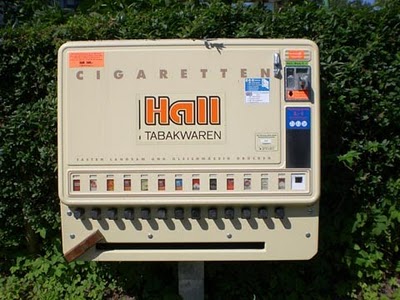
a.       This is one of the small things I was talking about that don’t exist in Canada because think of the children. You go to a vending machine, scan your ID, get your cigarettes. Sure, you could use someone else’s ID, but who cares. The idea of trusting your citizens to make their own decisions about cigarettes and alcohol seems a lot more effective than banning everything and making smokers go through TSA checkpoints every time they need another pack. The legal age to smoke in Germany is age 16, and tons of people smoke, but it’s a cultural thing brought in during WWII and hasn’t left yet. It also doesn’t seem to affect the overall active lifestyle in Germany and while cigarettes might be less popular than they were in the 40’s, there isn’t a social stigma attached to smokers like there is in Canada.


8.       Seasonal groceries
a.       This is both a pro and a con. Pro, the food is local, less pesticides and generally better quality. Seasonal food tastes way better than non seasonal.  The con is that, sometimes I can’t find what I want anywhere and if I want strawberries in the fall well then fuck me.

9.       No highway tolls
a.       This doesn’t seem like a big thing for Canadians but compared to the rest of Europe, I greatly appreciate it. France has, oh, I don’t know, 9 billion high way toll stations and don’t eveng et me started on Switzerland. It’s insane, and it occurs in most western European countries. Not Germany though! (And the roads are well taken care of, btw. I’m looking at you France.)
10.   Ruins and castles open for anyone
a.       Something that would either be cautioned off because someone could be stupid and fall off something or they could cook meth in it, or citizens would be charged their left nut for can be freely explored by people in Germany. There are many historical sites that take advantage of the tourism but I have yet to visit a cathedral or historical site in Germany that the entrance fee cost more than 5 euros.
11.   Beer, Food, Drink
a.       How can I not talk about the food and drink. Great food. Great ice cream. Great coffee. Oh my god. All of those romantic comedies taking place in Europe do not lie about how good the food and drink is. Now, I’m not a beer connoisseur nor do I drink a lot of it, but I can tell you that the amount of beer one gets when ordering a beer is incredible. Beer is cheaper than water (which you have to pay for in a restaurant, no free water or non-stop pop).  It’s cheap, it’s delicious, you can buy it in grocery stores along with other groceries, it’s amazing. The beer culture in Germany is one of my favorite parts about the culture. You can walk around freely and drink your beer in public where in Canada you would have it confiscated and dumped out on the sidewalk, probably also fined because, wait for it, think of the children.


Average festival food


Eiskaffee, coffee with ice cream in it


spaghetti eis. German ice cream in the shape of spaghetti. Made fresh.


12.   Festivals
a.       Germany loves festivals. International festivals, chocolate festivals, beer festivals, seasonal fruit festivals,  tons of festivals. My favorite is tied between the Christmas markets and the wine festivals. Wine festivals are great because you buy it by the glass, put a deposit on your glass (so if you break it you buy it) and then just hang around the festival, be social, and get sloshed. Trying all the different wines in the region is excited, especially during New Wine or Gluehwein festivals. New wine is young wine that is strong but tastes like apple juice. Gluehwein is a Christmas wine that is mixed with spices and served hot, with or without hot cherries in it.  They are always rampant during the Christmas market, which are huge markets beautifully decorated with lights, live music, merchants of all types and tons of different kinds of food, pastries, and christmasey treats.


13.   Pay toilets
a.       If you stop at a gas station you have to pay to use the toilet. The money goes into the upkeep of the bathroom but seriously, it’s such a pain in the ass to constantly forget you need to bring 50 cents to use the loo.

14.   Sunday: Government-ordered “Relax Day”
a.       This happens all over Germany though less and less the more northern you get. South Germany where I live now is a very catholic region which means the city, minus a few restaurants, completely shuts down on Sundays. The government orders you to relax on Sundays, no matter what you need to get done. For this reason, Saturday is errand-running day which makes the city a crowded pit of hordes of people rushing around to get shit done because they have no time during the week since shops usually close right after the work day is over, mixed with people who don’t have to work during the week and are leisurely strolling about the city center and slowing you down. I refuse to shop on Saturdays. Plain refuse. Think of the children.

15. Apartments don't come with kitchens.
THAT'S RIGHT. Out of all the great things about Germany, this one is just plain maddening. Not only do you have to go through a rental agent who's only job is to arrange an appointment with the landlord for you and then charge you 1500 EUROS for it, but you have to purchase and install your own entire kitchen, and pay 3 months rent as a damage deposit. What the actual fuck. To add to the weirdness? How do they cart their kitchens around from place to place when very little (probably less than 1 percent) owns any kind of truck? Seriously. Living in Germany is not expensive, but moving sure as hell is.


There are lots of things I love about Germany and though this list is in no particular order, it’s all the things that stick out in my mind. I’m sure Poland will be full of quirks as well, but I’ll miss Germany. Good thing I’m only 5 hours away in Warsaw.

Wednesday, June 26, 2013

Italy: The Land of Zero Fucks

I finally got the photos off my phone after figuring out that my cable was broken and NOT my phone (thank god), so now I can do my summary of Italy.

My husband and I went on a very much-needed vacation to Moneglia, Italy for a whole week. Through a friend of his parents we were also able to use a holiday home for free, and borrow their car instead of renting one, we were thinking about holding off on taking the trip until it could be on our anniversary (which is in july) week, but fuck it, this trip was almost free, and it gave us more money to spend on Focaccia. The town is small, and gorgeous. The main attraction is obviously the beach, but even more beauty was found driving around in the foothills around the city.


Our house for the week


Also, the tiniest gas station I have ever seen in my life.


Moneglia is a little town just outside of La Spezia, that rests between a ‘hidden gem’ that the tourist offices like to call it, which isn’t true because it was over-run with tourists, called Cinque Terra. It is also about an hour away from Pisa, all areas we visited in the trip.

First off, our route. We drove from Offenburg, straight through the length of Switzerland, and then headed for the Mediterranean and stopping when he hit the Riviera. I’d only been as far as Konstanz so far in Switzerland, but upon simply crossing the swiss border I could tell an immediate change in scenery.
These mountains make my Canadian rockies look like blackheads.


Either the entire country of Switzerland is photoshopped or every single fantasy/folk/fairy tale has actually occurred here. Green, lush, giant snowy alps, and cows. Cows. Fucking. Everywhere. It might be a lawful requirement that if you live in Switzerland, you need to own cows. Cows on the road, cows in the pasture, cows on the mountains, cows on the godamn ceiling. Switzerland = cows.


Moving on to Italy. My first impression of Italy was slightly disappointing actually, because movies have told me Italy is gorgeous and the buildings are intricate and Jesus’ tears fall from the sky instead of raindrops.That is because I’ve only really seen Vatican City or Venice in movies, and not the rest of the country which looks more like this: 


So I was a little let down, but that quickly went away after we got out of Genoa and moved on to Moneglia. Sure, the buildings are run down (because who needs new buildings when we have perfectly good old buildings that only look a little run down) and through looking out the windows it has a third-world feel to it, with laundry drying out the windows, cracked paint, broken signs and pavement etc, but in order to get into Moneglia you have to drive over the mountains, and when you do that, you see this:


Oh my god. Are we on Pandora?

When we got to our holiday home, I obviously began snooping around the house, mid-snoop, I became fixated on the view from my bedroom.


Definitely Pandora.

Some more shots of the house:


While I was fixated, husband promptly reads guest manual and discovers that he must turn on the gas and electricity from outside, which is typical for most Italian homes. I continue snooping as he turns on the power, to find a few things that made me decide to dub Italy the Land of Zero Fucks.

1.      The house is built on a cliff. It appears that it could collapse at any moment, because looking down from the terrace is a straight drop onto another row of houses on a lower cliff How is this house standing. Lots of houses are built on this cliff, some have began eroding into the cliff and our neighbor's garage is a little lopsided, but that’s okay, clever Italian builders have added long pieces of wood under the frame to reinforce it. They also put a chicken-wire fence along the cliff’s edge just in case something really goes wrong, but why would it with those pieces of wood there.

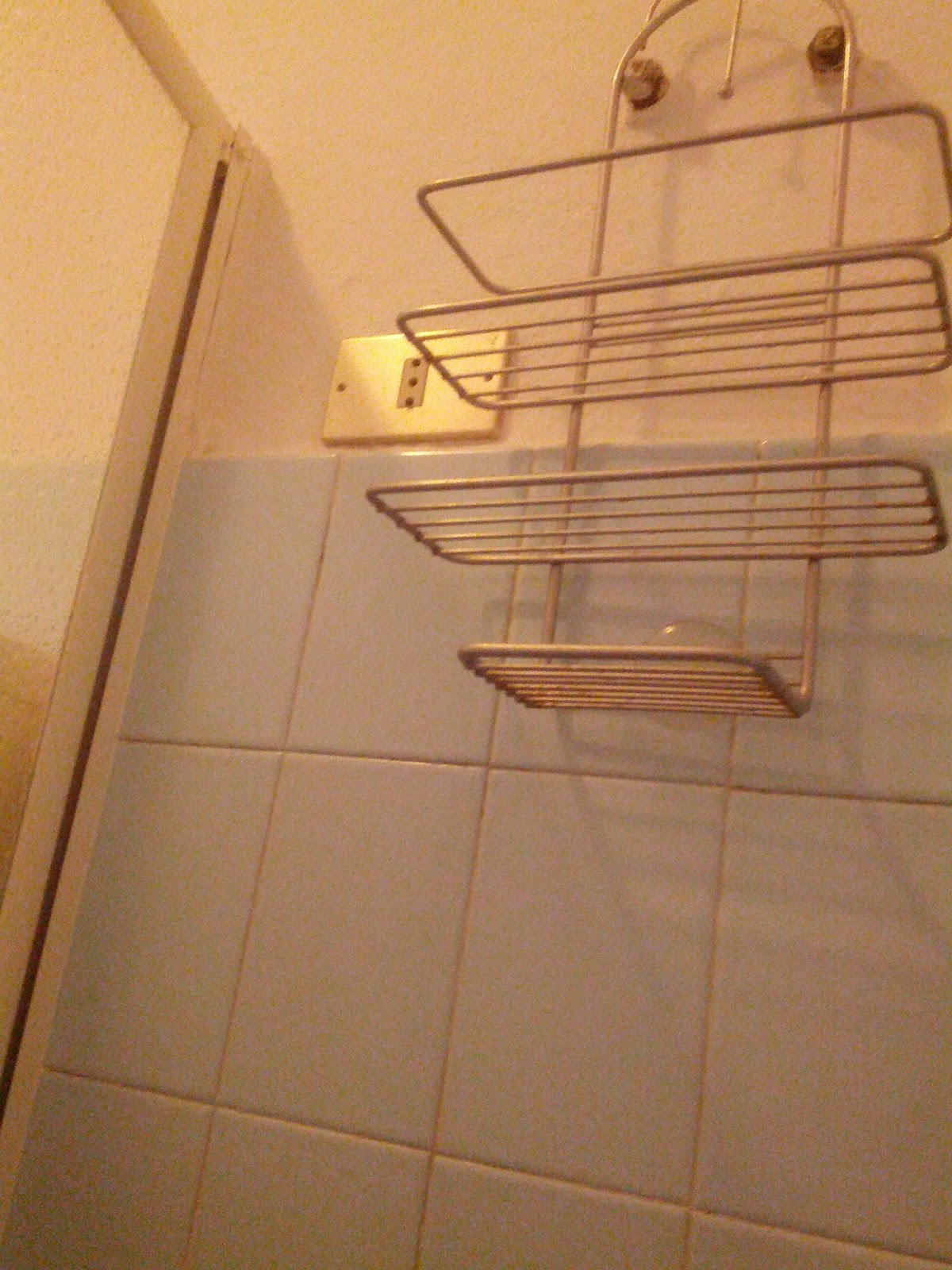
2.       There is an electrical outlet in the shower. This is the best one. It makes me get this picture of Italian architects in my head being the master of after-thought improvisation but not thinking ahead. There is an actual, fully functional electrical outlet IN. THE. SHOWER. That CAN get wet. I figure they must have thought “well what if Signorina has an electric razor? She needs an outlet close by to use! Why don’t we put one in the back of the shower?” PERFECT. The proceed with installation of shower, drill a hole for the faucet and shower head, all done. Then someone realization, either by electrocution or hopefully before a death occurred, that the outlet will always get wet and most definitely cause electrocution because the showerhead is pointing directly at it. The solution? The take out the shower head, move the mount to the adjacent wall instead of the opposite, and install (no I am not joking) a little bell next to the outlet. Presumably, so if you do in fact electrocute yourself, you just ring the bell, which can be heard all through the house, and someone will come to your rescue.


Oh my god, Italy.

3.       Construction workers. Various characteristics of construction workers. Including but not limited to, working barefoot while fixing our terrace, without gloves or other safety gear. Okay I guess if you are extra careful you can get away with building things without wearing a shirt or safety gear, and I mean it’s hot, so shirtless is okay. How about laying down fresh Ashphalt though? No gloves, goggles, shirts, while laying down steaming hot tar by hand with a shovel on the road.

4.       The. Roads. Be aware that everyone in Italy either drives a tiny fiat, a 3 wheeled pick-up truck type thing like this: 

Pfft, why spend money on 4 wheels, it's obvious you can get the job done with 3.


     Or a moped. We were driving an SUV suitable for offroading and thank god. The road leading up to our place was such a tight corner that we had to back up twice before completing the turn, and in my mind I thought, "well it is possible to make the turn, just not on the first try, so why change it!"


 There were railings on most roads, speed limits of 100 everywhere despite so much back and forth winding you might as well be riding space mountain, half-finished or completely dirt roads, parking lots that pretty much have you parking your car vertically on the side of a mountain, and of course, insanely confident Italian drivers. What completed the ‘not giving a fuck’ air about Italy is despite the dangerous roads there are still little signs everywhere warning you about how dangerous they are. They do care, but only enough to warn people, I feel like most Italians live a live of figuring things out as they go.  

      Food

I can’t go much further without talking about Food, obviously. IT WAS ALL INCREDIBLE. Fresh fish, delicious, strong coffee, cheap but amazing wine, just incredible. Our favorite part? The fresh Foccacia baked in the morning, we walked down in the morning to this bakery just to get some Foccacia, and a LOT of it, then sit by the sea and enjoy. I would go back to Moneglia just for that bread.

Swordfish


Tiramisu


Jug of wine


Turns out that Moneglia is most famous for Pesto, I picked up a couple local jars for a friend and indulged in a pesto pasta dish at our favorite restaurant. We kept coming back because of a very enthusiastic and friendly server that clearly enjoyed making all the tourists happy.

What I liked most about Moneglia was the fact that it really felt like being on vacation. It was quiet, calm, and though there were lots of tourists, it wasn’t overrun. We did end up going to Pisa, but poor husband’s allergies were going crazy being so far away from the water in the intense heat, and we basically stopped in to see the tower, and then return to Moneglia so we could nom the shit out of some excellent swordfish.

Pisa did not feel authentic, it was a typical tourist hub and it was hard to see the Italianness of Pisa through the fog of tourists, being back in Moneglia was much nicer. Also, the ‘leaning on the tower’ thing really made me cringe. Look at them all.:


Main river that flows through Pisa

Cinque Terra was really lovely, also built into a cliff, and therefore the whole town is built on an incline. People with bad knees beware, you have to part 1km outside the village then walk straight down into it, because cars will not fit down by the harbor. There are many walking paths around the village all accompanies by hand rails since they are nearly on the oceans edge, the place is also a hot spot, very popular from tourists. We didn't stay very long, because we wanted to return to out cozy Moneglia.


Favorite Points

1.       Italians and Italy in General is a light-hearted and laid back place, very friendly and welcoming
2.       All the food is made out of ground angels

3.       Could live forever as a bum on that sandy, warm beach.

I will be back again!
Here are some extra pictures of the trip: